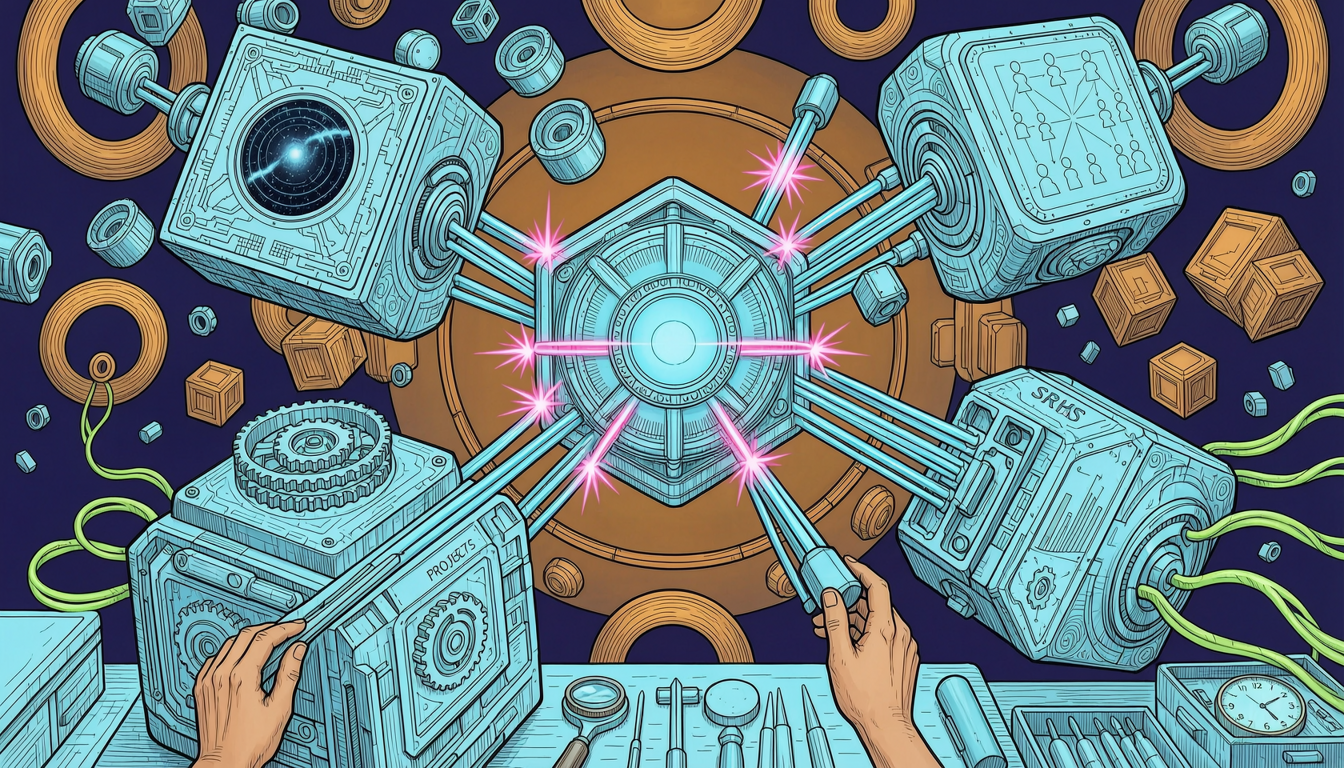
Your Digital Infrastructure Journey: From Idea to Integration
Four articles, four phases. One journey: from recognizing your website isn't enough to building infrastructure that generates value. Discover which stage you're in and how to move forward.
From web page to living system
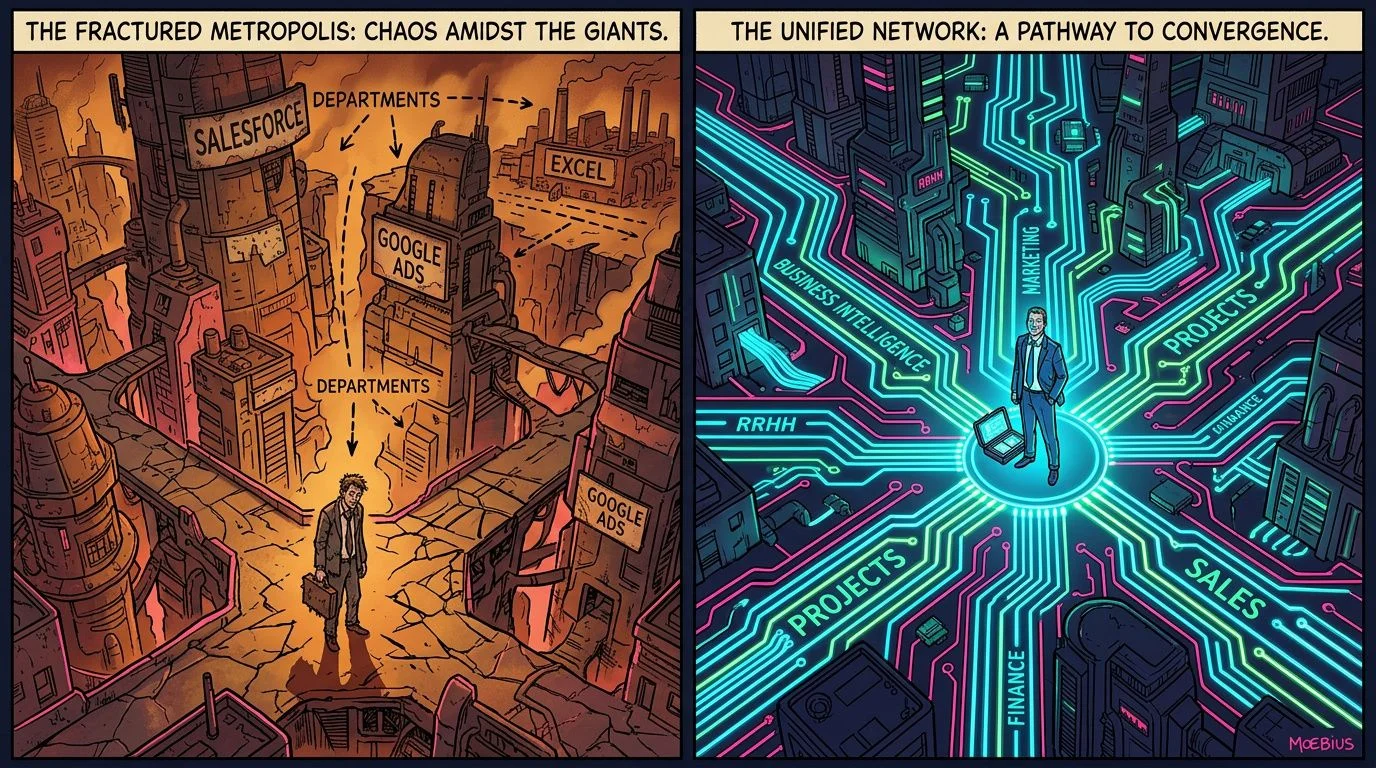
If you made it to v2, you probably read the earlier articles in a disconnected way. One talks about real architecture. Another about digital assets that appreciate. Another about tools with Django. Another about real cases. But you don't see how it all fits together. This article is the map. It's the complete journey from discovering that your website isn't enough, to building the infrastructure you truly need.
Phase 1: The idea — Your business needs more than a website
A website is passive. It's a digital brochure waiting for someone to visit. Your business needs infrastructure that works for you: generating leads, organizing information, integrating operations. This is the starting point: acknowledging that what you have isn't enough.
Many companies invest in constant redesigns. They change colors, update photos, improve the shopping cart. But all that is cosmetic. The true transformation happens when you stop seeing your digital presence as a façade and start seeing it as the engine of your operation.
Phase 2: The concept — Digital heritage
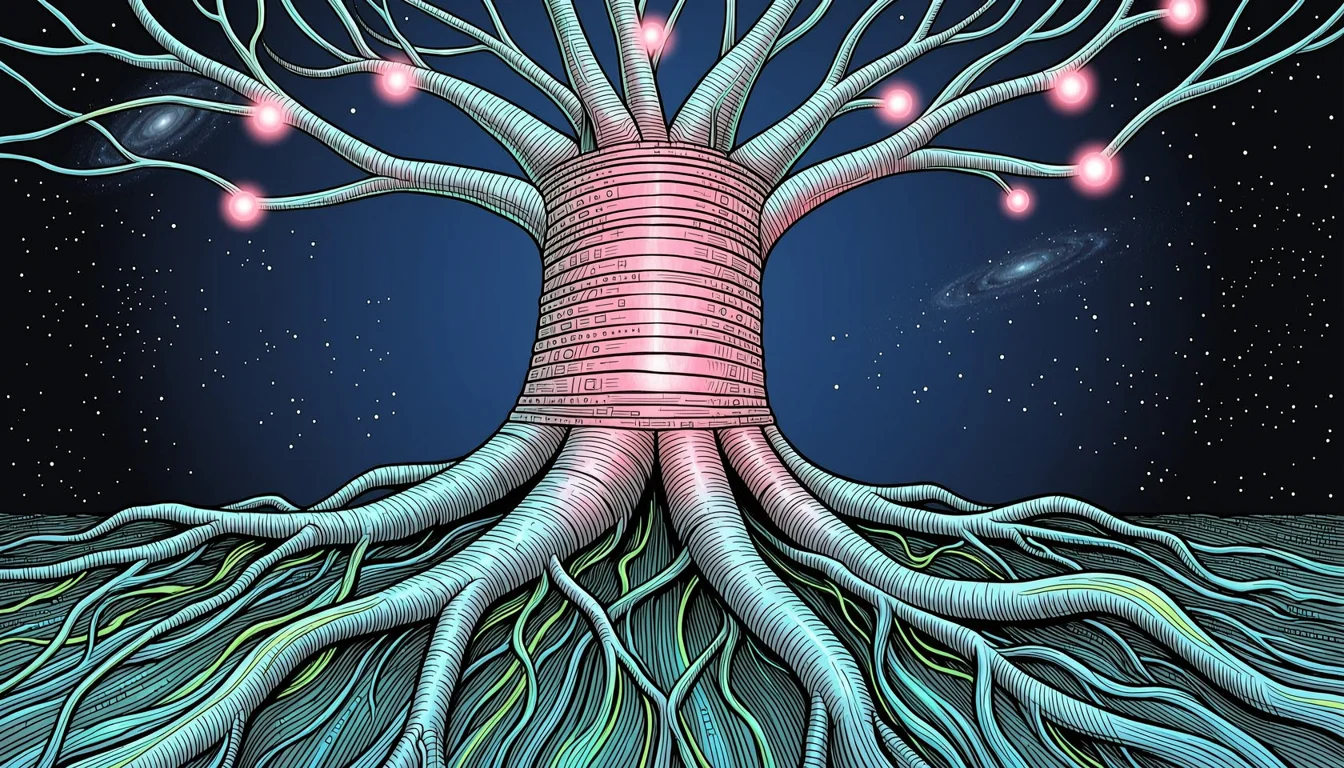
That system you need has a name: digital heritage. It's infrastructure that doesn't depreciate but appreciates. That accumulates intelligence. That generates compound returns.
Unlike buying a generic membership or CRM platform, where every year you pay a license and the value doesn't build up, when you build custom infrastructure, each new functionality adds to the previous one. Data gets richer. Processes become more optimized. The system becomes more valuable over time, not less.
Phase 3: The tools — What to build with Django
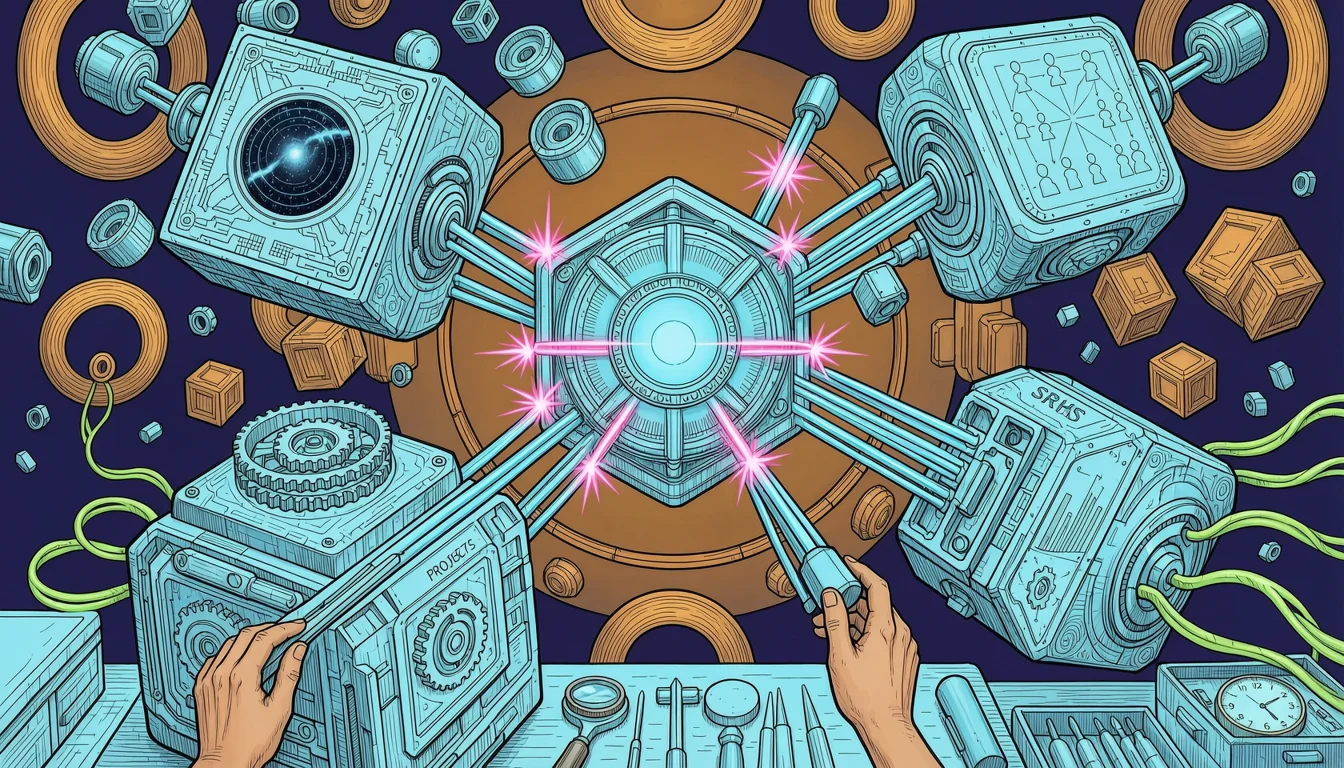
Now you know what you need: digital heritage that grows. But how do you put it into practice? The next chapter covered the concrete tools: Business Intelligence for data-driven decisions; Human Resources for managing teams; Project Management for coordinating deliveries; Sales for capturing and following up on leads. Each one is buildable. Each one adds value.
Django isn't the protagonist of the article, but it's the engine that makes it possible to build these tools without the limits of generic CMSs. It's not magic: it's solid architecture.
Phase 4: Reality — What implementation looks like
The Cancún College of Engineers took this path. From a static site to a platform that generates revenue, integrates operations, and actually works. It's not theory. It's real operation.
When you see the CICC case, you understand the journey isn't abstract. They went from having an informational portal to a platform that manages memberships, events, payments, and internal communication. The result: a more agile institution, with real-time data and a new revenue stream from advertising and sponsorship.
Where you stand
Q This sounds complex and expensive.
Q I already have a website, I don't need more.
Q I don't have time for a big project.
You're probably in one of these phases:
- Phase 1: "My website doesn't work as well as I'd like. It attracts visits but doesn't convert. I don't know where to start."
- Phase 2: "I understand the concept of digital heritage, but I don't know how to take the first step without spending a fortune."
- Phase 3: "I know what to build (BI, HR, etc.), but I wonder if my business is ready for something so custom."
- Phase 4: "I want to do it but I need someone to guide me and execute."
Whatever your phase, the next step is the same: identify your bottleneck. That process that hurts the most, that consumes the most time from your team, that limits your growth. And then talk to someone who understands how to build a custom solution.
Your next step
Your action path to get started
- 01Make a list of the 3 processes that frustrate you most in your daily operations.
- 02Identify which of those processes consumes the most team time.
- 03Document how that process works today: who does what and with which tools.
- 04Schedule a 30-minute call with DHA Devs to discuss that bottleneck.
- 05Prioritize integrations that generate revenue or save direct costs.
- 06Communicate to your team the mindset shift: from technology expense to digital heritage investment.
- 07Define a key metric to measure the success of the solution before you build it.
Your next step
The journey of your digital infrastructure isn't quick or magical. It's strategic. It goes step by step. And each step adds cumulative value. What matters is to start. Identify what's broken today. And build the solution that lets you scale without relying on generic tools that don't fit your reality.
If you recognize your phase, the next move is concrete: schedule a conversation with DHA Devs. Not to sell you a website. To map your real digital infrastructure and build it together.
The question isn't whether you need to take the journey. The question is when you start.
What's coming in v2
But the journey doesn't end here. When your infrastructure is integrated, you need access to tools that amplify your capability. In the upcoming articles we explore ZenReflex: my AI workspace where the best-known commercial models and equally powerful alternative models coexist. A single place where you access AI for writing, image design, code development, creativity.
ZenReflex connects via API to the platforms I develop and to yours. Directly into your systems: automate processes, create content, manage Google Ads campaigns, boost operations. Without switching tools every time you need something different. Without depending on a single AI.
We’ll also show you how to create professional presentations without paying for design platforms. Real tools that already work and you can implement today.
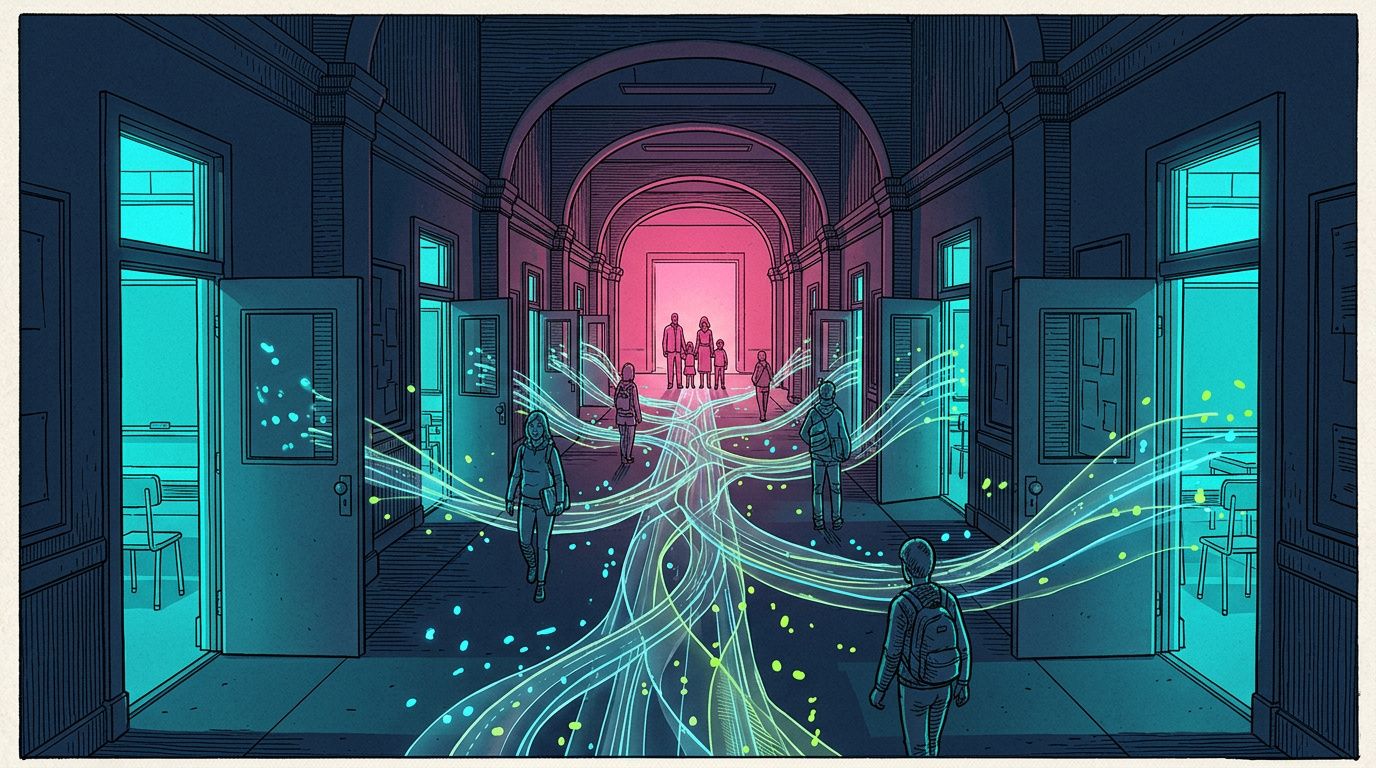
Education: What Your Platform Can Do When It Truly Is Yours
In the first part of this series, I talked about the problem: scattered data, manual processes, disconnected tools. Now I'll show you what the solution looks like from the inside: a proprietary platform that unifies everything your institution does, without relying on third parties.

Before you hire your next express website, read this
The invisible work that keeps your site alive after launch: security, speed, and competitive watch that no one sees but everyone feels.
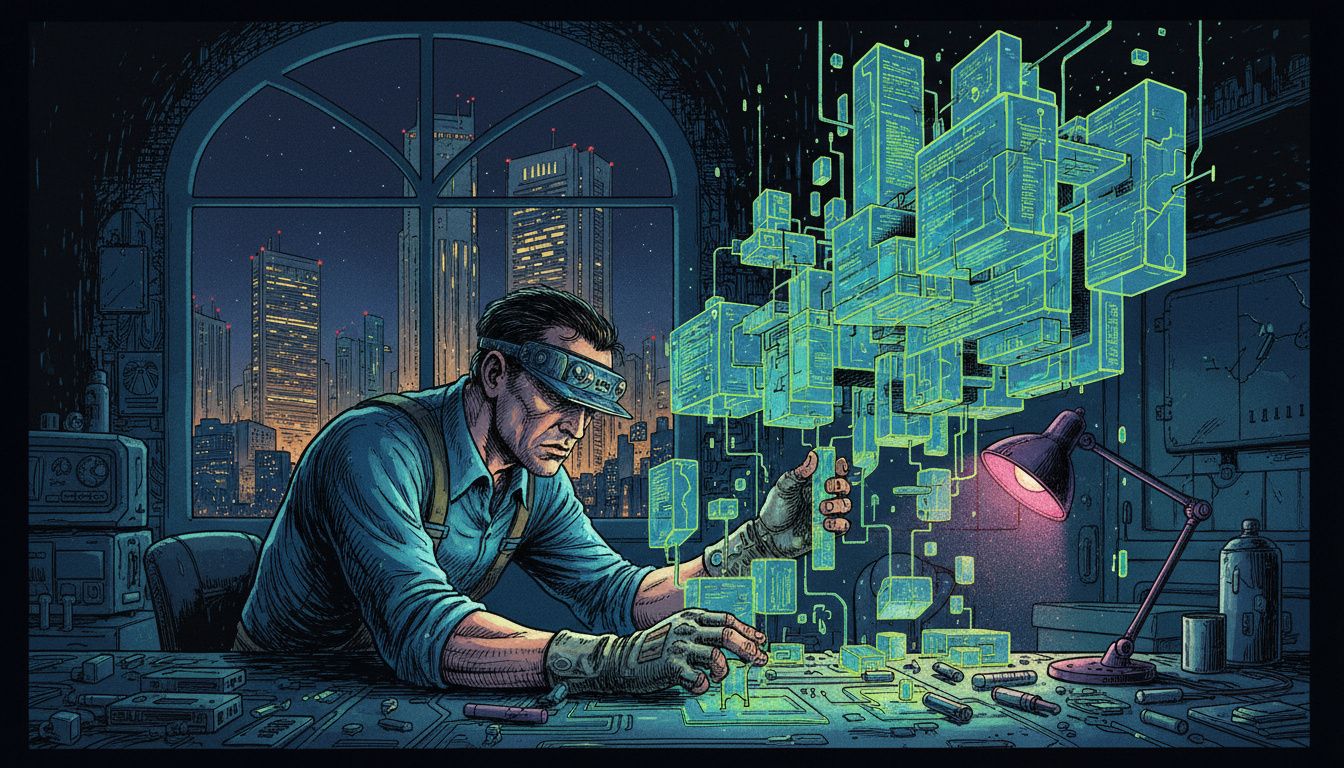
Your business no longer needs a website. It needs a system.
When your company outgrows the digital brochure stage, generic tools become a burden. I'll show you the three real ways to build a web presence and why Django is the strategic decision to scale without relying on plugins or hidden limitations.
Comments 0
Be the first to comment.